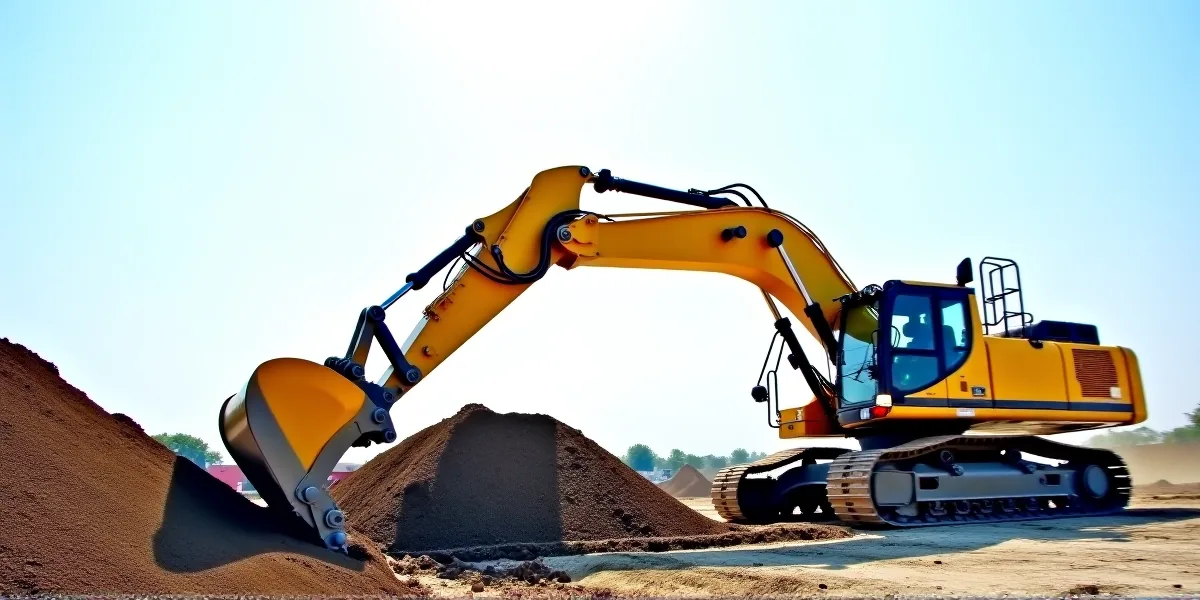
The Realities of Running an Electric Excavator for a Full Shift
There is a persistent myth in the heavy equipment industry that electric Excavators are a "set it and forget it" solution. The reality is more nuanced. Can an electric excavator work all day? For many operators, the answer is a qualified yes. However, it is not a simple drop-in replacement for a diesel machine that can refuel in five minutes and keep going for ten hours. Whether your electric excavator can cover a standard 8-hour shift depends entirely on your duty cycle, the size of the battery pack, the ambient temperature, and your charging strategy. If you are considering the switch, you need to look past the marketing brochures and understand how these machines actually perform in the field.
Battery Life: The Difference Between Brochure and Reality
Most modern electric Excavators utilize Lithium Iron Phosphate (LFP) battery packs. These are chosen for their durability against construction vibration and dust, but their runtime is not a single fixed number. It varies dramatically based on what the machine is doing. If you are doing light-duty work—such as grading, backfilling, or utility trenching with frequent pauses—you can expect 7 to 9 hours of runtime. A mid-size model with a 450 kWh battery, for instance, will often easily cover a standard 8-hour shift in these conditions.
However, the average site involves medium-duty work: typical soil digging, loading trucks, and mixed tasks. In this scenario, you are looking at 6 to 7 hours of runtime on a full charge. This is the most common benchmark for contractors. To finish a full 8-hour day, most operators rely on "opportunity charging," plugging in during a lunch break to top up the battery. If your work is heavy-duty—continuous rock digging, ripping hardpan, or running a hydraulic hammer—the runtime drops significantly, often to just 4 to 5 hours even on large 400–550 kWh packs. Sustained high hydraulic demand drains energy quickly, and no amount of marketing will change the physics of that.
The Hidden Factor: Temperature and Battery Health
Cold weather is the biggest enemy of electric Excavator productivity. When temperatures drop below freezing, usable battery capacity can shrink by 15% to 25%. If you are operating in a northern climate without a robust battery thermal management system, your 8-hour shift might turn into a 6-hour one. Conversely, extreme heat does not necessarily stop the machine mid-shift, but it accelerates long-term battery degradation. You must factor this into your maintenance planning. Quality LFP packs are rated for 3,000 to 4,000 full charge cycles before capacity falls to 80%. For a machine doing one cycle a day, that is roughly 7 to 10 years of service. But if you are constantly pushing the limits in extreme temperatures, you may see that lifespan shorten.
Charging Strategies: How to Stay in the Game
You cannot run an electric Excavator all day without a plan for downtime. There are three main ways to handle this, and the right choice depends on your site setup.
First, overnight AC charging is the most cost-effective option. You plug the machine in when it parks up, and it recharges over 6 to 12 hours while you are off-site. This works perfectly for single-shift jobs at fixed locations, like municipal yards or residential developments. The downside? It adds no power during the day. If you run out of battery at hour 7, you are done until tomorrow.
Second, DC fast charging is the game-changer for productivity. A high-power DC charger can take a battery from 20% to 80% in 90 to 120 minutes. This allows for opportunity charging during a lunch break, effectively extending your shift to the full 8 hours. However, this requires significant capital investment. A DC fast charger plus the necessary electrical panel and transformer upgrades can cost between $15,000 and $40,000. This is a site-specific solution, not a mobile one.
Third, mobile generators or battery carts exist, but they are rarely practical for daily use. Relying on a diesel generator to charge an electric Excavator largely erases the fuel savings and emissions benefits that drove you to buy the electric model in the first place. It is a backup, not a plan.
Where Electric Excavators Shine (and Where They Struggle)
Electric excavators are ideal for fixed-site operations with reliable grid power. Urban utility work, landscaping, indoor demolition, and tunnel work are perfect applications. The zero-emission profile allows you to work in enclosed spaces without expensive ventilation systems, and the quiet operation opens up early morning or evening work windows in residential areas that diesel machines cannot access due to noise restrictions.
However, they struggle in specific scenarios. If you are moving between scattered job sites, you are at a disadvantage. Each new site needs charging infrastructure, which is a logistical nightmare compared to hauling a fuel tank. Heavy continuous rock excavation without mid-shift charging will leave you stranded. Two-shift production is difficult without battery swapping infrastructure, which adds high equipment and inventory costs. If your primary task is nonstop hammering in a remote quarry, a diesel machine is still the safer, more flexible choice.
Conclusion
Can an electric excavator work all day? Yes, but only if you respect its limitations. It is not a universal replacement for diesel. For light to medium-duty work at fixed sites with access to grid power, an electric excavator can easily cover a standard shift, often with the added benefit of lower energy costs and zero emissions. But for heavy, continuous, or remote work, the battery runtime and charging infrastructure requirements become significant barriers. Before you buy, audit your actual duty cycle. If you can implement opportunity charging or have a fixed site with overnight charging, you are in a good position. If you are moving constantly or digging hard rock for ten hours a day, stick with diesel until the battery technology catches up to the demands of heavy industrial production.