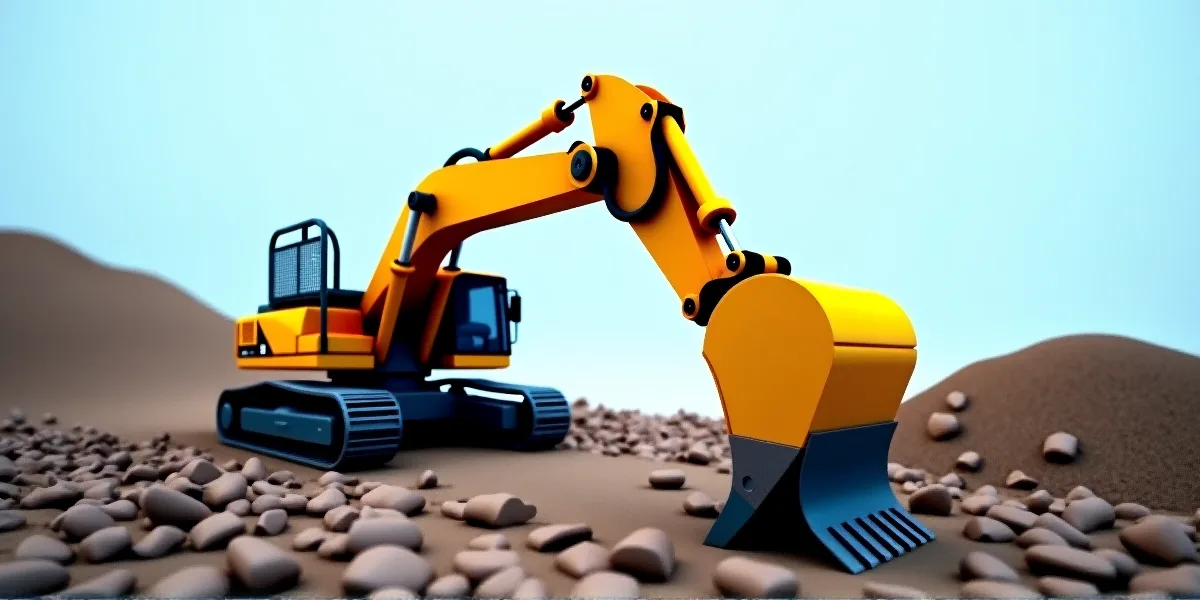
Introduction: The Operator is the Critical Control
When we talk about Excavator safety, the conversation often drifts toward machine specifications or brand comparisons. But let’s be clear: the most critical safety device on any jobsite is the operator. Most excavator fatalities do not happen to the person in the seat; they happen to ground workers who get caught in the swing radius, struck by a bucket, or buried by a trench collapse. As an industry professional, I have seen too many good machines ruined by bad habits, and worse, I have seen lives lost because a simple pre-job check was skipped. This guide strips away the fluff and focuses on the practical, daily actions that keep your crew alive and your project on schedule.
Master the Exclusion Zone and Communication
The number one killer on an Excavator site is the swinging superstructure. Whether you are working in a tight urban alley or a wide quarry, you must establish a hard exclusion zone around the full swing radius of the machine. Mark this area with high-visibility tape, barriers, or cones. The rule is absolute: no ground crew enters this zone unless the machine is completely stopped, the controls are neutralized, and hydraulic pressure is released. If you are working in blind spots or tight spaces, a dedicated spotter is not optional. Agree on hand signals or radio protocols before you lift the first bucket. If you cannot see the ground worker, they cannot see you. In these scenarios, the operator must not move until the spotter confirms the path is clear. This discipline eliminates the "I didn't see you" accidents that account for a massive portion of site injuries.
Execute a Non-Negotiable Pre-Shift Walkaround
Before you even touch the ignition, spend ten to fifteen minutes walking around the machine. This is not a formality; it is your primary diagnostic tool. Check the tracks or tires for tension, wear, and trapped debris that can cause drift. Inspect the boom, arm, and bucket pins for cracks or loose hardware, and look closely at hydraulic hoses for bulges or chafing. A small leak today becomes a catastrophic hose burst tomorrow, which can swing the boom unpredictably. Inside the cab, verify that the seat belt works, mirrors are clean, and the backup alarm or camera is functioning. If you find a defect, tag the machine out of service immediately. There is no production target worth operating a faulty machine. If the swing brake feels spongy or the joystick drifts, stop. Report it. Fix it.
Respect the Load Chart and Utility Lines
Excavators are lifting machines, but many operators treat them like cranes without reading the load chart. When lifting stone Blocks, precast elements, or heavy attachments, you must respect the rated capacity. Crucially, remember that safe working load drops dramatically when lifting over the side or at full reach. Never stand under a suspended load, and never use the bucket to lift people or unsecured objects. Equally important is utility awareness. Before digging, always mark underground services. Gas, water, and electric lines are not just hazards; they are legal liabilities. Treat all overhead power lines as energized. Maintain a significant clearance distance and never swing the boom or bucket near them. A spark can travel, and the consequences are immediate and fatal.
Optimize Site Setup for Stability
Stability is a physics problem, not a guess. Always park the Excavator on firm, level ground before digging or lifting. If the ground is soft, muddy, or uneven, the machine can tip, especially when the boom is extended. Test the ground bearing capacity before bringing heavy machines to wet sites. For trenching, inspect the edges for signs of slippage or collapse. If the soil is unstable, use shoring or benching as required by local regulations. Do not dig into the sides of a trench where people are working. Lower the bucket to the ground before shutting down the engine; this releases hydraulic pressure and prevents the boom from dropping unexpectedly when you restart the machine. These small setup habits create a stable platform that makes precise control possible.
Build a Culture of Competence and PPE
Safety is a culture, not a checklist. Ensure every operator is competent and certified for the specific machine type. Training should include not just controls, but also hazard identification and emergency procedures. Personal Protective Equipment (PPE) is your last line of defense. Hard hats, high-visibility vests, safety boots, and gloves are mandatory. Eye protection is critical when working with loose debris or near rock faces. Encourage a "stop work" authority where any crew member can halt operations if they see a danger. This empowers your team to protect themselves without fear of reprimand. When safety is respected by all, from the operator to the laborer, the risk profile of the entire site drops significantly.
Conclusion: Discipline Protects Investment and Life
Safe excavator operation is not about complex technology; it is about consistent discipline. It is about respecting the exclusion zone, performing honest pre-shift checks, reading the load chart, and understanding the ground beneath your tracks. These practices protect your most valuable asset—your people—and they also protect your machine and your project timeline. An accident stops work, incurs legal costs, and damages reputation. By implementing these practical, daily safety protocols, you create a jobsite where productivity and safety are not mutually exclusive, but mutually reinforcing. Stay vigilant, stay trained, and keep your crew off the incident reports.