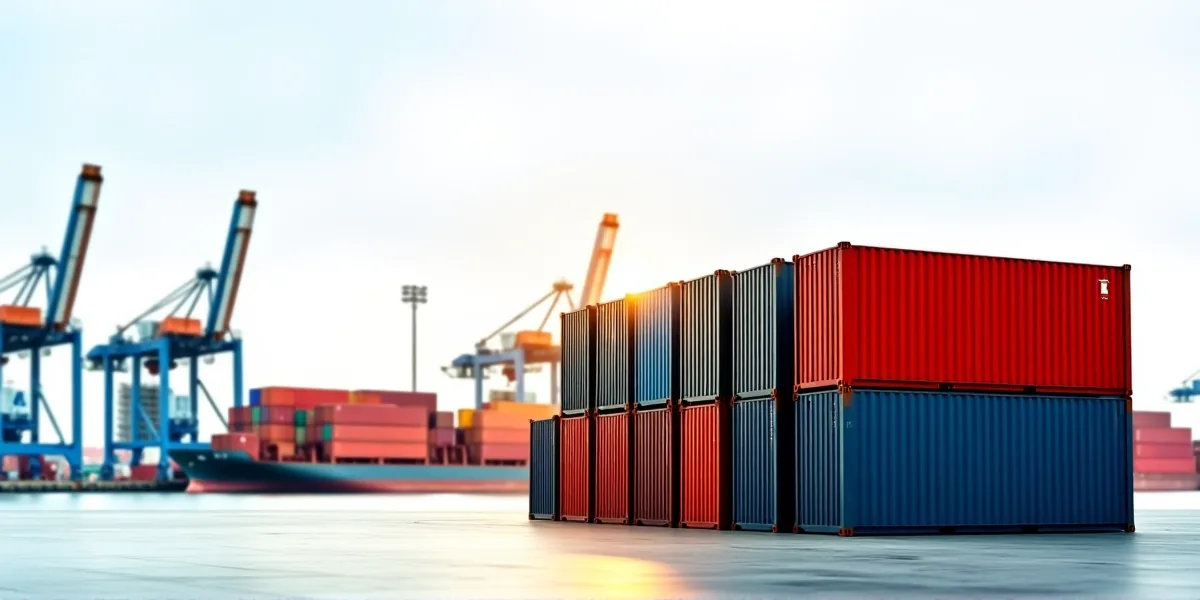
How to Import Construction Equipment from China: Complete Guide
Buying construction Machinery from China can save you 30% to 50% compared to buying from European or North American brands. For many contractors and fleet managers, this price difference is the difference between profit and loss. However, the process is not as simple as clicking "buy now." It involves logistics, compliance, and negotiation that require specific knowledge.
If you have ever wondered how to import construction machinery from China without getting stuck with a shipment at the port or a machine that doesn’t meet your local safety standards, you are in the right place. This guide breaks down the practical steps to getting your equipment from a Chinese factory to your job site.
1. Identify the Right Manufacturer and Verify Their Credibility
The biggest risk in importing from China is dealing with a supplier who cannot deliver quality or, worse, a "ghost" supplier. You need to distinguish between a genuine manufacturer and a trading company that simply resells other people's goods.
Start by using platforms like Alibaba or Made-in-China, but don't stop there. Look for suppliers with at least 5–10 years of export experience. Request their business license and export qualifications. A more practical step is to ask for video calls. Ask to see the production line, not just finished units in a warehouse. If they refuse a live video inspection, walk away.
Also, check for third-party certifications. While CE marking is standard for Europe, ensure the machinery meets your local standards (such as OSHA compliance for the US or ASME for pressure vessels). If you are importing a 20-tonne excavator, ask specifically about the hydraulic pump brand. Many low-cost Chinese machines use generic pumps that fail within 1,000 hours. Insist on reputable brands like Kawasaki or Bosch Rexroth for critical components.
2. Negotiate the Incoterms and Logistics
Incoterms (International Commercial Terms) define who pays for what and who is responsible for the risk during transport. The most common terms you will encounter are FOB (Free on Board) and CIF (Cost, Insurance, and Freight).
FOB means the supplier gets the goods to the port in China (e.g., Shanghai or Qingdao) and loads them onto the ship. You handle the shipping, insurance, and import clearance. This is often cheaper if you have an established freight forwarder.
CIF means the supplier covers the cost to get the equipment to your destination port. However, the risk transfers to you once it is loaded on the ship. If the container falls off the vessel, that is your problem, not theirs.
For heavy machinery, you will likely use Roll-on/Roll-off (RoRo) shipping for vehicles like excavators and loaders, or flat-rack containers for larger cranes. A standard 40-foot flat rack can hold a small excavator, but a large mobile crane might need a specialized heavy-lift vessel. Always ask the supplier for the exact dimensions and weight (including the battery and fuel) to get an accurate shipping quote. Shipping a 25-tonne machine can cost anywhere from $1,500 to $4,000 depending on the destination and season.
3. Understanding Payment Methods and Security
Never send 100% of the payment upfront. The standard practice in international trade is a 30% deposit to start production and 70% balance before shipment. This ensures the supplier has cash flow to buy materials, and you retain leverage to ensure the machine is built correctly.
Use secure banking methods. Wire transfers (T/T) are common, but they offer no protection if the supplier fails to deliver. For higher-value orders, consider using a Letter of Credit (L/C). An L/C is issued by your bank and guarantees payment to the supplier only when they provide proof that the goods have been shipped according to the agreed terms. It is more expensive (fees can range from $500 to $1,500), but it protects both parties.
Before paying the balance, hire an independent inspection service. Companies like SGS or Bureau Veritas can inspect the machine at the factory. For a $50,000 excavator, an inspection fee of $300–$500 is a small price to pay to catch defects like paint scratches, missing bolts, or incorrect hydraulic hose lengths. If the inspection fails, you have grounds to withhold the final payment until issues are fixed.
4. Handling Customs, Duties, and Compliance
Importing is not just about shipping; it’s about legal entry. You need to understand the HS Code (Harmonized System Code) for your specific machinery. For example, an excavator typically falls under HS Code 8429. This code determines the duty rate in your country.
In the United States, for instance, many Chinese construction machines are subject to Section 301 tariffs, which can add 25% to the landed cost. In the EU, tariffs may be lower, but you must comply with the machinery Directive. Always calculate your "Landed Cost," which includes the machine price, shipping, insurance, duties, and local taxes. A $40,000 machine could easily become $55,000 after all fees.
Make sure your supplier provides a commercial invoice, packing list, and certificate of origin. These documents are critical for customs clearance. If the description on the invoice does not match the actual product, your goods will be held at the port, and you will incur daily demurrage charges. In some cases, these penalties can exceed $100 per day.
5. Post-Arrival: Maintenance and Parts Support
The cheapest machine is the most expensive if it breaks down. Before shipping, order a basic spare parts kit. This should include hydraulic hoses, filters, gaskets, and fuses. You should also request the operation manual and maintenance schedule in your language. Many Chinese manufacturers provide English manuals, but some are poorly translated. Ask for a video tutorial on basic maintenance if available.
Establish a relationship for future parts. Ask the supplier to quote you for a "wear parts package" (buckets, teeth, tracks, and hydraulic seals). Keep these prices in your records. If a part fails six months later, you need to know if the replacement cost is reasonable. If they charge $500 for a $50 seal, you have a problem. Some suppliers offer a 12-month warranty on major components, but this usually excludes wear parts like buckets and tracks.
Conclusion
Importing construction machinery from China is a viable strategy for reducing capital expenditure, but it requires diligence. By verifying the manufacturer, understanding Incoterms, using secure payment methods with pre-shipment inspections, and planning for landed costs, you can mitigate the risks. The key is to treat the supplier as a partner, not just a vendor, and to ensure that the quality of the machine matches the specifications you agreed upon.
If you are ready to start your import journey but need help navigating the supplier list or calculating your landed cost, we are here to help. We have extensive experience sourcing heavy machinery from verified Chinese manufacturers and can assist with the entire logistics process.
Ready to get a competitive price? Contact us today for a free quote and supplier vetting service.