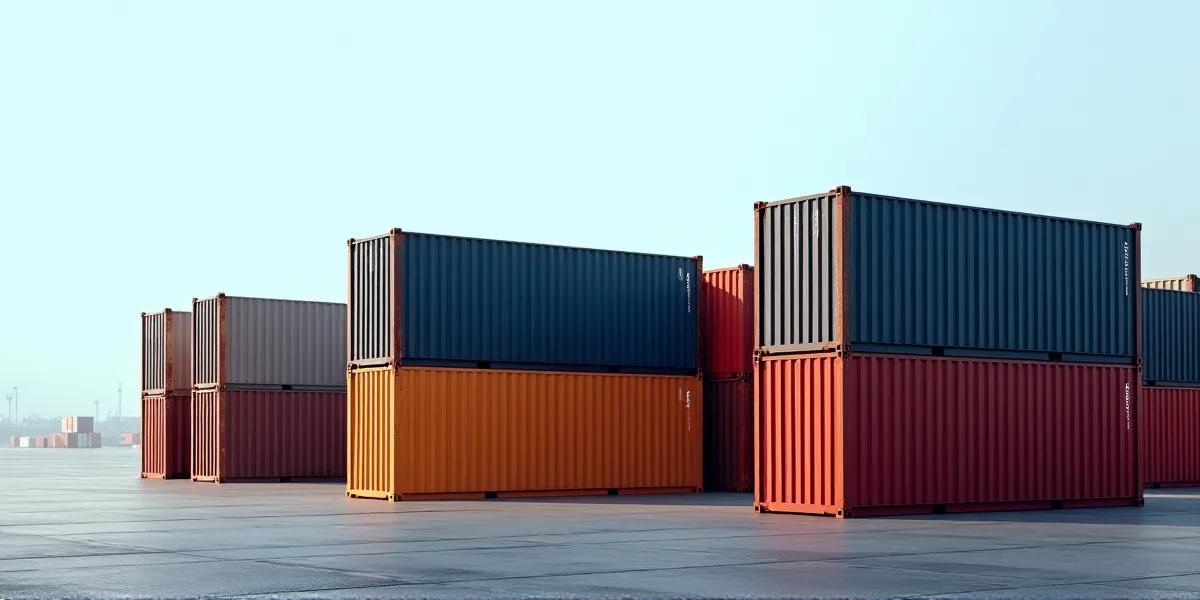
Importing Heavy Machinery to Africa: A Practical Guide
Bringing a wheel loader or excavator into Africa is not just about buying a machine; it is a logistical and financial operation that can make or break your project’s profitability. Many buyers focus solely on the sticker price of the equipment, ignoring the complex web of customs duties, certification requirements, and port procedures that vary significantly by country. A $50,000 saving on the purchase price can easily be wiped out by unexpected penalties, long delays at the port, or the cost of shipping parts from overseas when the machine breaks down. This guide breaks down the essential steps, costs, and risks you need to navigate to import construction Machinery successfully.
Understanding Regional Certification and Pre-Shipment Checks
Before you even book a container, you must understand the regulatory landscape of your destination. Africa is not a single regulatory zone; it is a patchwork of different standards enforced by regional blocs like the East African Community (EAC), ECOWAS, and SADC. In many countries, you cannot simply ship a machine and clear it upon arrival. You need pre-shipment certification.
For example, in the EAC region (Kenya, Tanzania, Uganda, Rwanda), you are required to obtain a Pre-Export Verification of Conformity (PVOC) certificate. In Nigeria, the SONCAP program is mandatory. Ghana and Angola often require a Certificate of Conformity (COC). These certificates are issued by authorized third-party inspectors who verify the machine’s specifications and condition before it leaves the origin port. If you skip this step, the shipment may be rejected at the destination port, or you could face heavy penalties and demurrage charges. Always confirm the specific certification body for your target country and schedule the inspection at least two to three weeks before the vessel’s departure to avoid last-minute delays.
Navigating Customs Duties and Taxation
The total landed cost of your machinery is significantly higher than the purchase price due to taxes and levies. Customs duties are calculated on the CIF value, which stands for Cost, Insurance, and Freight. This means the duty is applied to the machine price plus shipping and insurance costs. For new construction machinery, import duty rates typically range from 0% to 25%, depending on the country and the specific type of equipment. Some nations offer zero duty for productive capital equipment used in mining or large infrastructure projects, but this usually requires prior approval and specific documentation.
On top of customs duty, you will pay Value Added Tax (VAT), which is generally 15% to 16% in most African markets. This tax is applied to the combined value of the CIF price plus the customs duty. Do not forget the additional levies. Kenya, for instance, charges Import Declaration Form (IDF) fees and railway development levies. Nigeria has its own set of administrative fees and PAAR (Pre-Arrival Assessment Report) requirements. A practical rule of thumb is to budget an extra 30% to 50% on top of the machine’s CIF value to cover all potential taxes, levies, and clearing agent fees. Always request a detailed duty calculation from a licensed local clearing agent before you commit to the purchase.
Documentation: The Lifeblood of Your Shipment
Customs clearance is a paperwork-heavy process, and errors here cause the most downtime. Your commercial invoice must be precise. It needs to list the brand, model, serial number, engine number, year of manufacture, and operating hours. If you are importing used equipment, the operating hours are critical for customs valuation. Undervaluing the invoice to save on duties is a high-risk strategy that often leads to audits, fines, or even seizure of the goods. Customs authorities in major ports like Mombasa, Lagos, and Durban are experienced at detecting under-declarations.
Other mandatory documents include the packing list, bill of lading, and certificate of origin. For used machinery, you will also need proof of age and condition. Some countries, such as Ghana and Algeria, enforce strict age limits, refusing to import equipment older than ten years. Ensure your machine meets these age criteria before shipping. Additionally, if you are shipping oversized equipment like large excavators or block handlers, you will need road permits for inland transport. These permits often require specific dimensions and weight declarations that must match your shipping documents exactly.
Choosing the Right Equipment for African Conditions
While logistics are critical, the machine itself must be suitable for the local environment. Importing a light-duty machine for heavy quarry work in a remote area is a recipe for disaster. In Africa, where service networks can be sparse, you need durability. For wheel loaders, look for brands that offer heavy-duty quarry packages with reinforced frames and strong cooling systems. For excavators, focus on undercarriage durability, as abrasive rock environments wear out tracks and rollers quickly.
Parts availability is just as important as the machine’s quality. A premium brand like Caterpillar or Komatsu may have a higher upfront cost, but their global dealer networks often mean faster parts delivery and better resale value. Chinese brands like SANY, XCMG, and LiuGong offer excellent value and lower purchase prices, but you must verify that a local dealer stocks common wear parts like filters, hoses, and hydraulic seals. If you are buying from a gray-market source with no local support, assume that any major component failure will result in weeks of downtime while parts are shipped in. Always ask the local dealer about their lead time for major components like hydraulic pumps and transmissions. If the answer is more than seven days, consider whether your operation can afford that downtime.
Practical Tips for Smooth Importation
To minimize risk, hire a licensed local clearing agent who specializes in heavy machinery. Do not rely on the seller’s agent if they are not based in the destination country. A local agent will know the current customs valuation trends and can help you navigate any issues at the port. Before finalizing the purchase, if possible, rent or test the specific model in a similar environment to check fuel consumption and heat management. Verify the warranty terms in writing, ensuring that heavy-duty use is covered and not excluded as "abnormal wear." Finally, calculate your Total Cost of Ownership (TCO), which includes fuel, maintenance, parts, and potential downtime, rather than just looking at the monthly payment. By respecting the regulatory process and choosing equipment that matches both your workload and local support capabilities, you can turn the importation of heavy machinery into a manageable and profitable endeavor.