Anti-Stick Bucket Attachment for Heavy Construction Equipment
Special Configuration
Overview
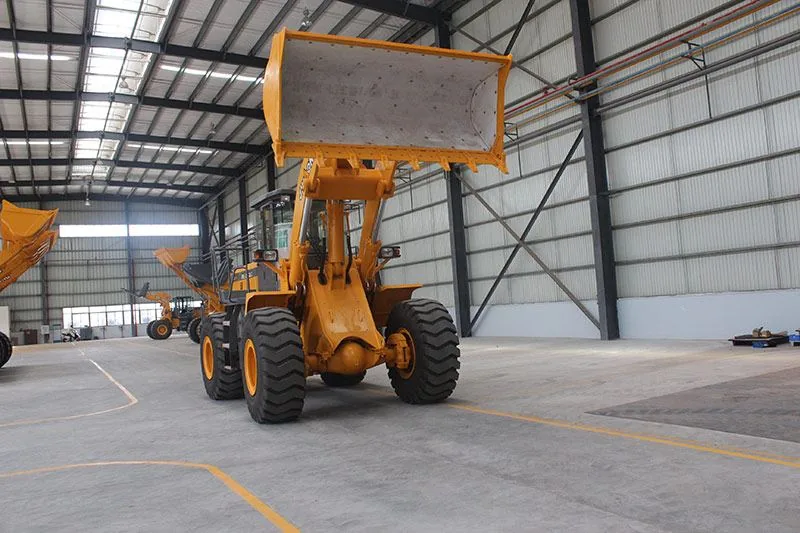
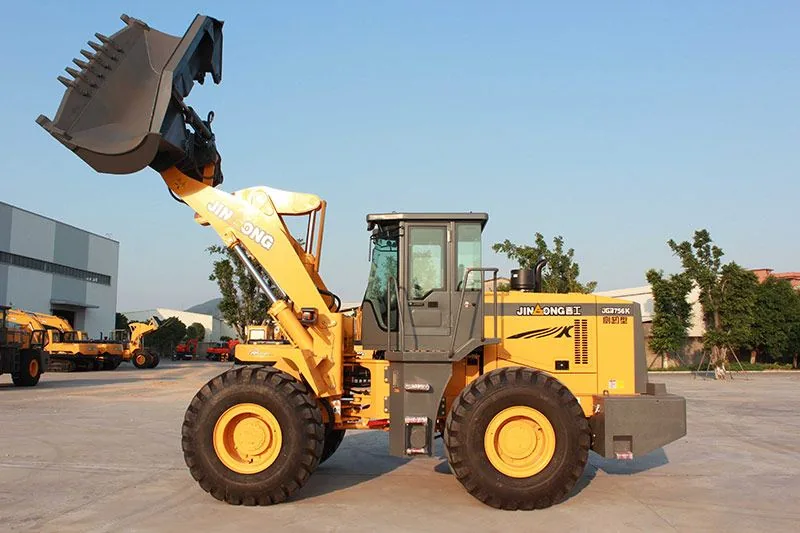
The anti-stick bucket is a specialized attachment designed to prevent material adhesion during excavation and loading tasks. It serves operators who handle cohesive or sticky soils that typically cling to standard steel buckets. This configuration reduces the need for manual cleaning and maintains consistent cycle times throughout the shift.
The product is categorized as a special configuration, indicating it is an optional or custom-fit component rather than a standard factory default. It is intended for integration with existing heavy construction equipment to improve material handling efficiency in challenging terrain conditions.
Key Features
Reduced Material Adhesion
Designed to minimize the sticking of cohesive materials to the bucket surface. This helps maintain operational efficiency by reducing the frequency of required cleaning stops during continuous work cycles.
Special Configuration Option
Available as a specialized configuration for specific project needs. Buyers can select this option to address particular material handling challenges that standard buckets may not effectively manage.
Improved Cycle Efficiency
By preventing material buildup, the bucket helps maintain consistent digging and loading speeds. This contributes to better overall productivity on sites where sticky materials are prevalent.
Operational Continuity
Supports uninterrupted workflow by reducing the time spent clearing stuck material. This is particularly relevant for operators managing tight schedules in earthmoving and excavation projects.
Material Handling Focus
Specifically engineered for tasks involving materials prone to sticking. It addresses a common operational pain point for equipment operators working in wet or cohesive soil conditions.
Custom Fit Availability
As a special configuration, it can be tailored to fit specific machine models. This ensures compatibility with the buyer's existing fleet of heavy construction equipment.
Where the Anti-stick bucket Is Used
Wet Earthmoving
Used in excavation projects involving wet or cohesive soils. The anti-stick design helps operators maintain productivity when standard buckets would otherwise require frequent cleaning due to material adhesion.
Clay and Silt Excavation
Suitable for digging in clay or silt-rich areas where material sticks to steel surfaces. This configuration supports efficient material removal without excessive downtime for manual clearing.
Foundation Digging
Applied in foundation work where soil conditions may be sticky. It allows for precise and efficient digging cycles, ensuring that material is released smoothly at the discharge point.
Land Reclamation
Used in land reclamation projects involving soft or cohesive substrates. The bucket helps maintain workflow consistency by preventing material from clinging to the digging edge.
Trenching Operations
Effective for trenching tasks in sticky ground conditions. It supports steady progress by reducing the impact of material adhesion on the overall digging and loading process.
Technical Specifications
Parameter
Specification
Specifications are taken from the manufacturer's data sheet. Configurations
and options vary by order and destination market; confirm details with us before purchase.
How to Choose the Right Configuration
Select the anti-stick bucket based on the specific soil conditions at your site. If you work with cohesive clays or wet materials that cling to standard steel, this configuration reduces cleaning downtime. Verify that the bucket dimensions match your existing excavator or loader arm to ensure proper fitment without requiring structural modifications to the main machine.
Consider the transport logistics when importing this special configuration. Since it is a specialized attachment, confirm the shipping dimensions and weight with the supplier to calculate container loading accurately. Ensure your local port can handle the specific crate or skid configuration used for this component, as it may differ from standard bucket shipping methods.
Evaluate the long-term operational cost against the initial investment. While this is a special configuration, it aims to improve cycle efficiency by preventing material buildup. Assess whether the reduction in manual cleaning time justifies the purchase for your project duration. Ensure the attachment interface is compatible with your current equipment model before ordering.
Daily Operation and Maintenance
Inspect the anti-stick coating surface daily for cracks or wear that could compromise its non-adhesive properties.
Clean the bucket thoroughly after each shift to prevent abrasive particles from damaging the specialized surface finish.
Check the mounting bolts and pin connections weekly to ensure they remain tight under heavy load cycles.
Store the bucket in a dry environment to prevent moisture-induced degradation of the anti-stick material.
Frequently Asked Questions
What is the primary use of an anti-stick bucket?
It is designed to prevent cohesive soils and sticky materials from adhering to the bucket surface during excavation. This reduces the need for frequent manual cleaning, allowing operators to maintain consistent cycle times and productivity on sites with challenging terrain conditions.
How is the anti-stick bucket shipped?
The bucket is typically packed in a wooden crate or on a skid to protect the specialized surface during transit. The exact packaging method depends on the size and weight of the specific bucket model. Confirm the shipping dimensions with the supplier to plan container loading.
Can I fit this bucket onto my existing machine?
Compatibility depends on the mounting interface of your specific excavator or loader. Since this is a special configuration, you must provide your machine model and serial number to the supplier. They will verify if the anti-stick bucket matches your standard attachment points.
What spare parts should I order with the bucket?
While the anti-stick surface is durable, it is advisable to order replacement mounting pins, bolts, and seals. These are standard wear items that may need replacement during regular maintenance. Ask the supplier for a recommended spare parts list specific to your machine model.
Does the anti-stick coating require special cleaning agents?
Use mild water and soft brushes to clean the surface. Avoid high-pressure water jets or abrasive cleaners that could damage the coating. Regular gentle cleaning helps maintain the non-adhesive properties and extends the service life of the bucket.