Quick-Change Device for Heavy Construction Machines
Special Configuration
Overview
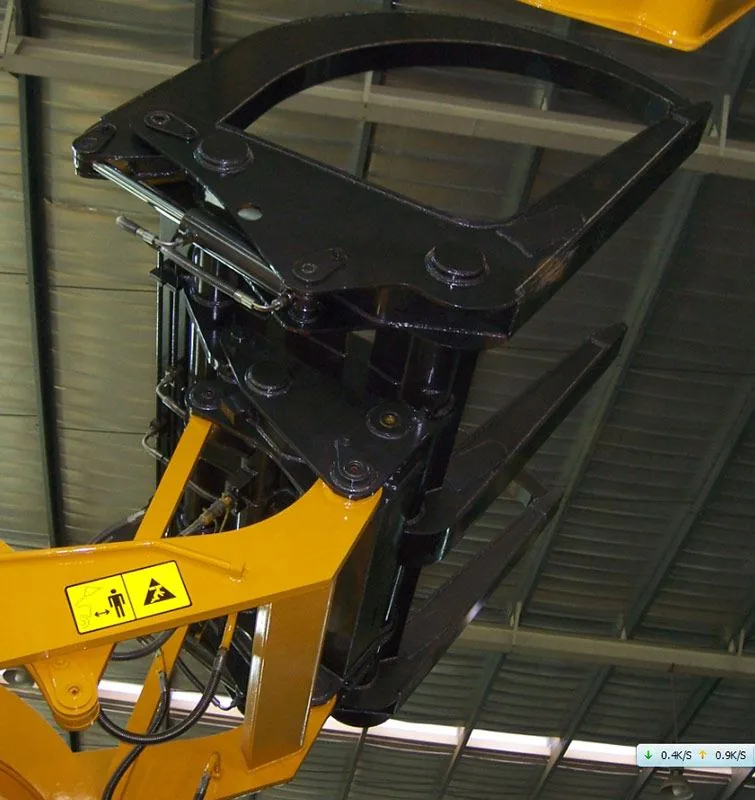
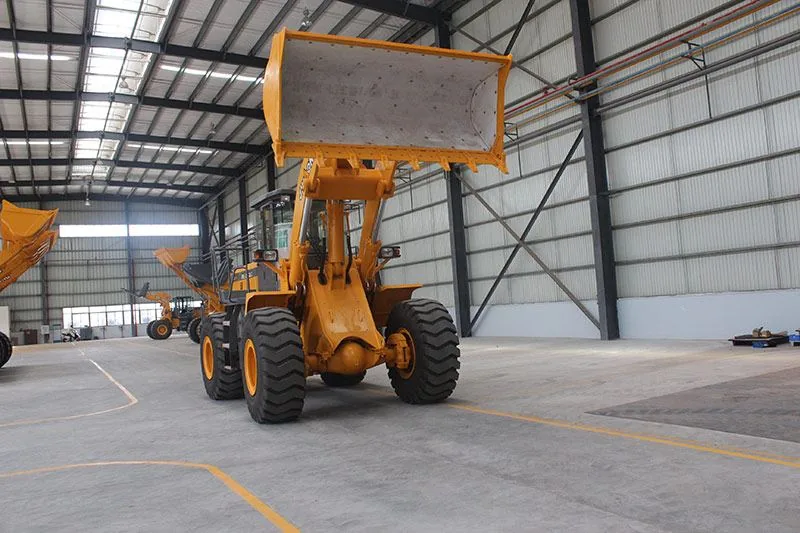
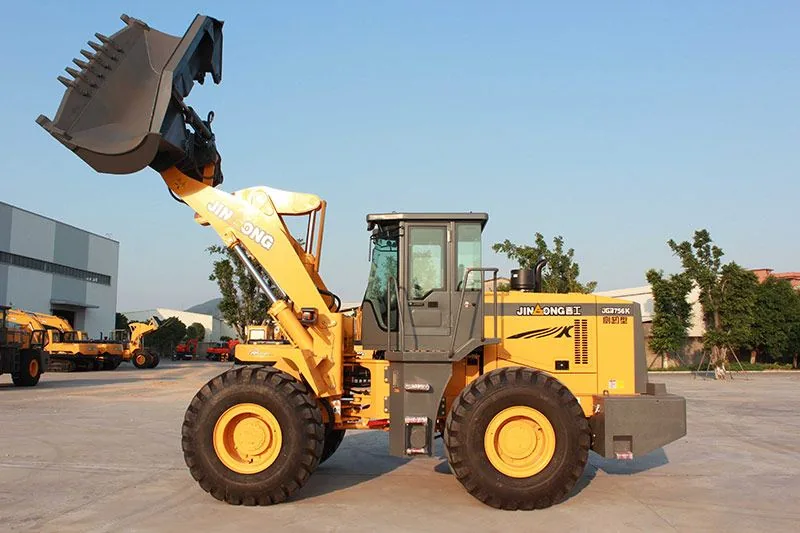
The quick-change device is a specialized attachment designed for heavy construction equipment, allowing operators to swap between different work tools without manual intervention or complex mechanical adjustments. This system is suitable for contractors and fleet managers who require high operational flexibility across various job sites. It reduces downtime by enabling rapid transitions between tasks, ensuring that the machine remains productive throughout the working day.
While specific technical specifications are not provided in the source data, the device functions as an interface between the main machine and its working attachments. It is engineered to handle the stresses of heavy-duty operations while maintaining a secure connection. The design prioritizes ease of use and reliability, ensuring that operators can manage tool changes safely and efficiently in demanding field conditions.
Key Features
Rapid Tool Swapping
Enables the operator to change working attachments quickly, minimizing idle time and increasing the overall productivity of the machine on the job site.
Reduced Downtime
By facilitating fast transitions between different tools, the device helps maintain continuous workflow, which is critical for meeting project deadlines and operational targets.
Operational Flexibility
Allows a single machine to perform multiple tasks, making it a versatile asset for contractors who need to adapt to changing site requirements without additional equipment.
Secure Connection
Designed to maintain a stable and safe link between the machine and the attachment, ensuring reliable performance during heavy-duty operations and load handling.
Ease of Use
The system is intended for straightforward operation, allowing operators to manage tool changes with minimal complexity and reduced need for external assistance.
Heavy-Duty Design
Built to withstand the rigorous demands of construction and earthmoving environments, ensuring durability and consistent performance over extended periods of use.
Where the Quick-change device Is Used
Construction Sites
Ideal for general construction projects where the machine must switch between digging, lifting, and grading tasks. The quick-change capability allows for seamless adaptation to the specific needs of each phase of the build.
Quarries
Used in quarry operations to alternate between loading, moving, and breaking materials. The rapid tool change feature helps maintain high throughput by reducing the time spent reconfiguring the machine for different material handling tasks.
Aggregate Yards
Suitable for aggregate yards where machines need to handle various types of bulk materials. The device supports efficient sorting and loading operations by allowing quick changes to appropriate buckets or forks.
Ports and Terminals
Applicable in port environments for loading and unloading containers or bulk cargo. The ability to switch tools quickly enhances the machine's utility in diverse handling scenarios typical of busy terminal operations.
Block Yards
Used in block manufacturing and distribution yards for moving and stacking concrete blocks. The quick-change system allows the machine to transition between lifting and transporting tasks, optimizing workflow in storage areas.
Technical Specifications
Parameter
Specification
Specifications are taken from the manufacturer's data sheet. Configurations
and options vary by order and destination market; confirm details with us before purchase.
How to Choose the Right Configuration
Select a quick-change device that matches your machine's hydraulic capacity and pin diameter. Verify that the interface dimensions align with your specific excavator or loader model to ensure a secure fit. This compatibility check is essential before ordering to avoid costly modifications or operational delays on site.
Consider the types of attachments you plan to use, such as buckets, breakers, or grapples. The device must support the weight and stress loads of these tools. Ensure the hydraulic connections are compatible with your machine's system to allow for seamless operation without additional adapters or complex plumbing.
Assess your transport logistics and site access. The device adds weight to the machine, so confirm that your transport vehicles can handle the combined load. Also, consider the turning radius and site constraints to ensure the machine with the attachment can maneuver effectively in tight spaces.
Review the maintenance requirements and spare parts availability. Choose a design that allows for easy inspection of pins, bushings, and hydraulic seals. Having access to standard replacement parts is crucial for minimizing downtime and maintaining operational efficiency in remote or challenging environments.
Daily Operation and Maintenance
Inspect pins and bushings for wear and lubrication daily to prevent excessive play and structural failure.
Check hydraulic hoses and connections for leaks or damage before each shift to ensure safe operation.
Verify the locking mechanism engages fully and securely after every attachment change to prevent accidental detachment.
Clean debris and dirt from the interface plate and pins weekly to maintain a smooth and reliable connection.
Frequently Asked Questions
What is a quick-change device used for?
It allows operators to swap attachments like buckets or breakers quickly without manual tools. This increases machine versatility and reduces downtime, enabling a single machine to perform multiple tasks efficiently on the job site.
How is the device shipped from China?
The device is typically packed in wooden crates or on pallets for sea freight. It is shipped in standard 20ft or 40ft containers depending on quantity. Ensure proper bracing is used to prevent movement during transit.
Can I load multiple units in one container?
Yes, multiple units can be loaded in a single container depending on their size and weight. Contact the supplier for specific loading plans to maximize container space and ensure safe stacking during transport.
What spare parts should I order initially?
It is advisable to order a basic kit of pins, bushings, and hydraulic seals. These are wear items that may need replacement during regular maintenance. Having them on hand ensures minimal downtime when servicing the device.
Is the device compatible with all excavators?
No, compatibility depends on the machine's interface dimensions and hydraulic system. You must provide your machine model and specifications to the supplier to ensure the quick-change device fits your specific equipment correctly.